We have a new blog!
Rentometer Blog
Featuring fresh takes on rental housing topics, services and
technology from Rentometer's team of real estate experts

2021-02-08 16:00:25 UTC
Organizing your rental business can be hard. Here are some of the most important documents every landlord should keep on hand and why.

2021-09-27 17:35:14 UTC
As landlords, we often fall into the trap of getting a bit too comfortable. It could be something as simple as skipping a property inspection or not following up with a tenant as quickly as we could, simply because we’ve become complacent.

2020-03-04 21:25:26 UTC
When you're in charge of a rental property or community, much of what you do every day focuses on making your tenants happy. Impressing current tenants retains long-term renters and pull in potential new occupants, thanks to positive online reviews.

2024-06-05 15:29:11 UTC
In this article, we will look at the most important differences which you should keep in mind when deciding whether to buy an investment property in a major city or a small town.

2026-05-14 20:39:31 UTC
Whether you’re a first-time homebuyer or seasoned landlord, you likely want to maximize the return on investment (ROI)—a.k.a. Profit—on your rental property as much as you can.

2020-02-11 14:37:13 UTC
When you are apartment searching, it can be tough to know what to prioritize. On one hand, a living space without updated amenities may be a dealbreaker for you.

2021-04-12 14:18:54 UTC
We searched all over the internet to find our favorite podcasts that will help you expand your knowledge in real estate and property management!

2020-12-08 15:46:37 UTC
Each state has a different time limit for completing repairs — follow your local guidelines. Even if you have 30 days to fix an issue, you shouldn't wait that long, or you'll have unhappy renters on your hands.

2022-02-25 21:22:42 UTC
To help you become a successful real estate investor, here are 4 of the most important characteristics of the best rental properties.

2020-06-09 15:03:43 UTC
Real estate is a popular industry for consumers to start building their investment portfolio. While it may not be the flashiest and largest addition to your portfolio, it is a solid place to get your feet wet.

2020-01-13 13:48:35 UTC
Although property renting is fairly straight forward, there are still things that new tenants must watch out for and check before they rent.

2021-09-17 14:05:42 UTC
The fact is that property reports can only deliver so much information. A rental meter that is part of a rental listing app can provide much more focused data to help you set your rental price without undercharging your renters.

2020-07-27 20:05:34 UTC
One of the biggest mistakes new landlords make is underestimating the rental potential of their property. Often new landlords are so eager to get tenants in their property, that they undervalue their rental in the listing.

2021-03-01 18:26:28 UTC
There are many ways to invest in real estate. Discover five ways to build a real estate investment portfolio.

2019-11-25 14:40:12 UTC
Knowing the ups and downs of the process enables you to make the best investment for maximum gains. Keep reading to learn more about each perspective.

2021-12-02 14:32:52 UTC
A new home is the biggest purchase you're likely to make. According to the U.S. Census, the price of homes on the market in the U.S. averages more than $299,400.

2021-12-20 16:02:44 UTC
Plenty of people are interested in investing in real estate, but not everyone has the experience to guarantee success.

2022-01-24 15:05:35 UTC
Every investment is a risk; there's never a guarantee of profit. Profits from your investment property are one of the more difficult to predict.
Be a Pro!
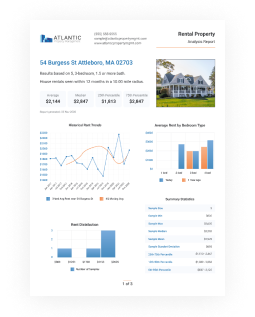
Provide market analytics and demonstrate your
expertise with custom branded reports.
Generate Leads
Connect with property owners with our Rent Analysis Widget.

Rentometer Blog
Get real estate tips and commentary delivered to your inbox